Secrets of the Oak Woodlands: Emandal in Autumn
Workshop Title: Secrets of the Oak Woodlands: Emandal in Autumn
Instructor: Kate Marianchild katemarianchild.com
Which Session? September 16-20, 2026
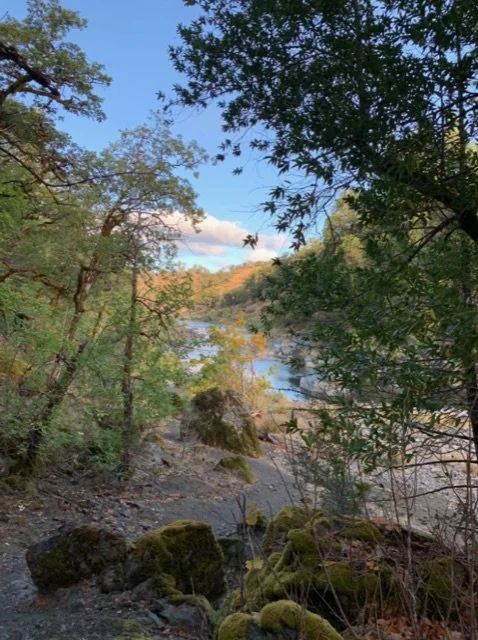
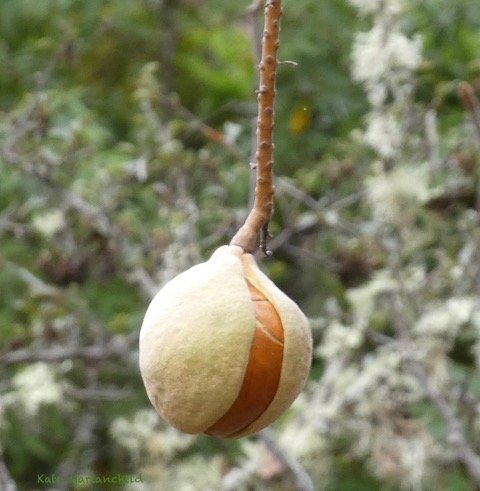
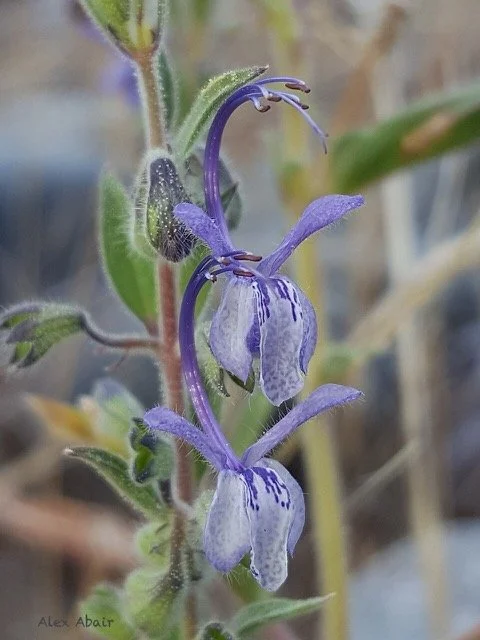
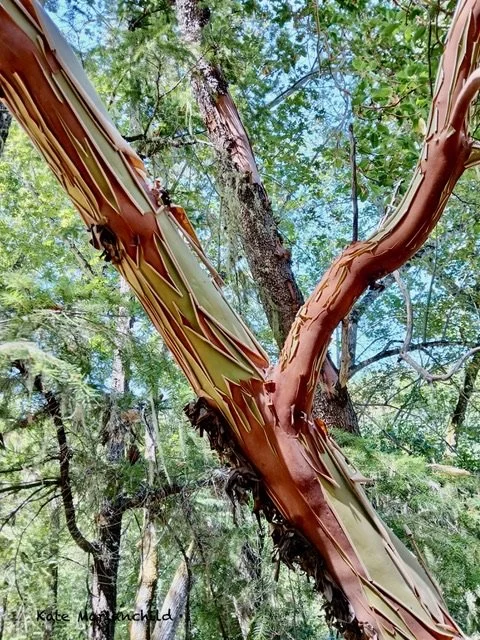
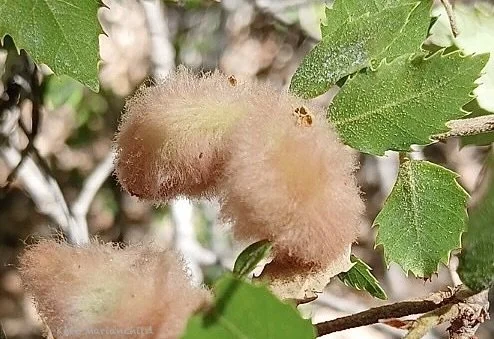
Brief Workshop Description: As fruits, nuts, and seeds ripen and fall...as birds and mammals consume and cache food for migration and winter... as plants sequester chlorophyll, turning leaves turn red and gold...we’ll wander through Emandal’s oak and riparian woodlands, rarely walking more than a mile or two a day. We’ll investigate the colorful galls adorning oaks and willows and we’ll examine the seeds of redbud and mountain mahogany. We’ll watch ground squirrels race from burrow to burrow under an oracle oak, and we’ll crouch by a magnificent woodrat mansion whose inhabitant will be resting inside until dark.
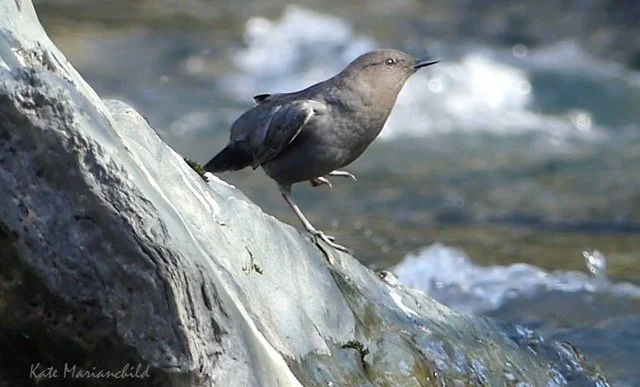
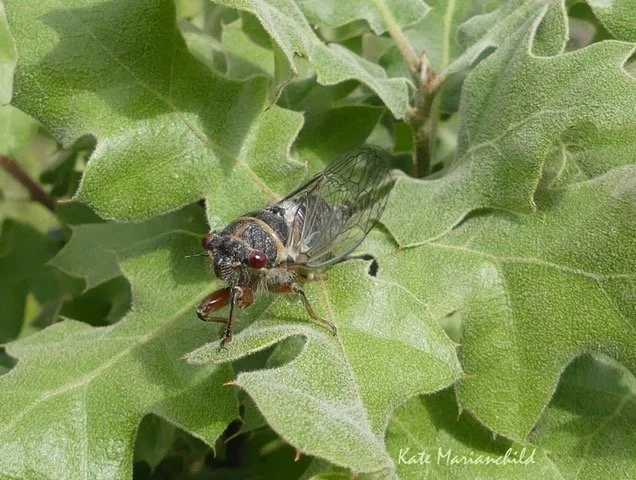
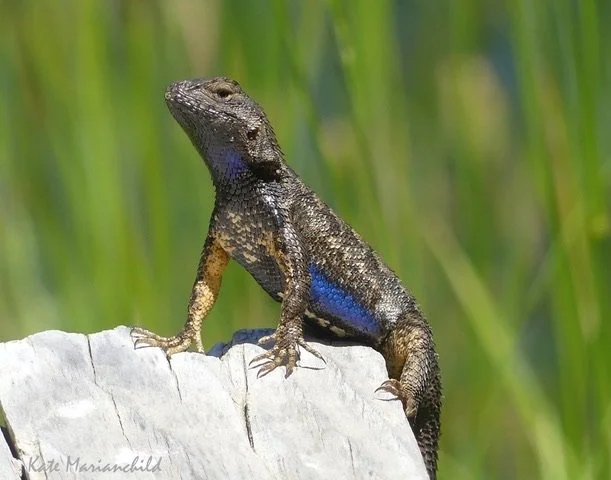
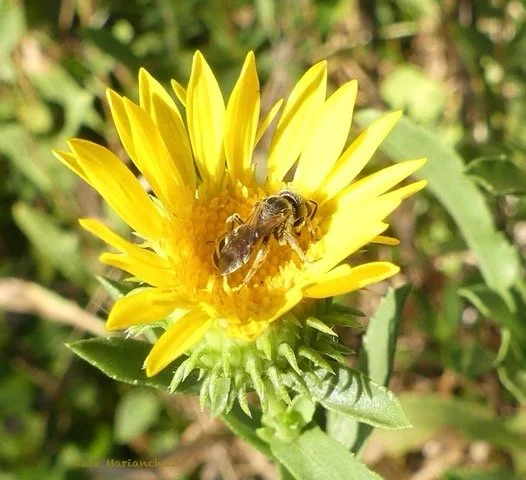
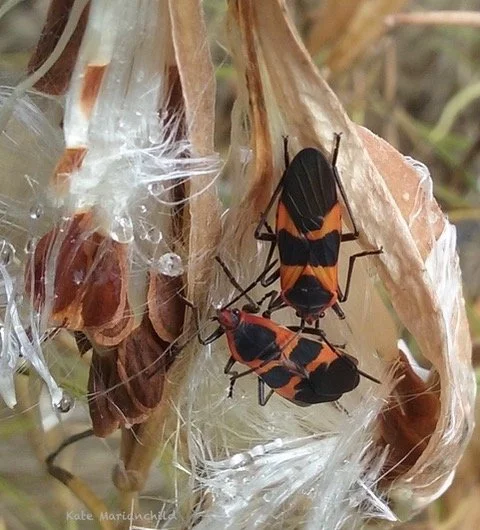
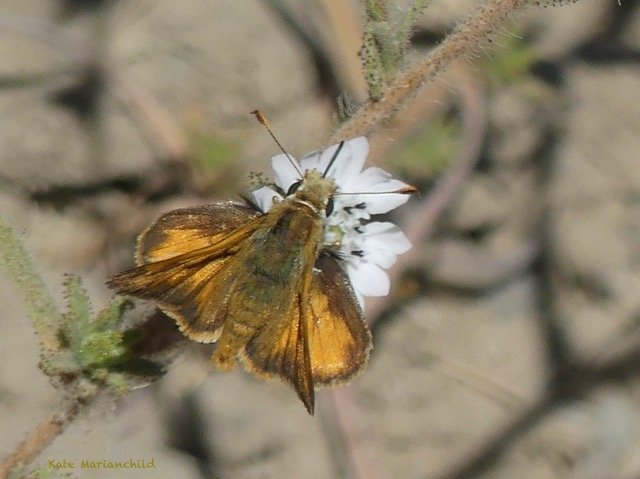
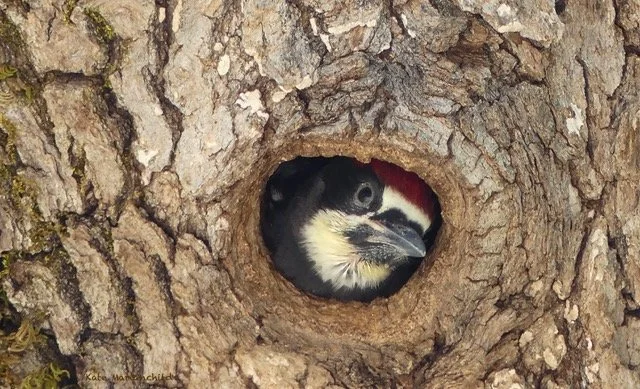
With close-focus binoculars, we’ll exquisitely detailed views and learn fascinating lore about flowers, insects, lizards…Skippers will dance with graceful vinegar weed flowers, pollinating them as they go, while sweat bees crawl over and pollinate tar plant. Dome spiders webs will shimmer in shafts of autumn light while golden hairstreaks flutter in nearby canyon live oaks. Acorn woodpeckers will be pounding nuts into trees, getting a head start on their winter food supply. Bald eagles will make stately flights up and down the river as beaver, mink, otter, mergansers, and/or dippers ply the Eel’s lovely pools.
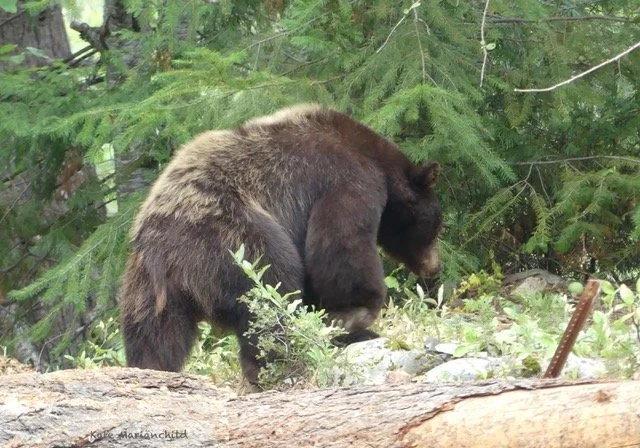
During the day we might see foxes, coyotes, bobcats, or bears, and at night crickets will play symphonies under a dark sky speckled with a zillion stars.
Some mornings before breakfast we’ll take an optional bird walk at 7:45 am. After a late breakfast, we’ll wander and wonder until we stop for a late lunch at the river or in a shady grove. In mid- to late afternoon, we’ll have free time to swim in the Eel’s luscious pools, and/or nap, hike, read, socialize, or gather at our shaded table to look up answers to the day’s mysteries. If it is hot, we will time our walks to beat the heat.
Several art-focused “ArtStay” classes will occur simultaneously with our “OakStay,” and members of all workshops will come together every evening before dinner to share the days’ discoveries and creations.
Levels of Experience: Ability to occasionally walk up moderate slopes on uneven ground.
Additional Supplies Participants Must Bring to Workshop: *Daypack (large enough to hold a slim 3-ring binder or folder and other things (listed below).
*Binoculars (Close-focus binoculars if you have them or wish to buy them from me once we’re at Emandal. (That way you won’t have to pay shipping.) Also bring birding binoculars, if you have them. I like to wear both simultaneously, and I use a binocular harness to take the weight of birding binocs off my shoulders.
*Closed-toe shoes (These won’t be needed on every walk but will be preferable when we’re off-trail). Shoes that burs won’t adhere to are also a good idea.
*Sandals with good traction for established trails. (These are not necessary if you prefer to wear closed-toe shoes on every walk).
*Socks long enough to tuck your pant legs into––for discouraging ticks from reaching your skin.
*Extra pairs of socks––in case we occasionally go off trail and get burs in our socks.
*Trekking poles, if you use them.
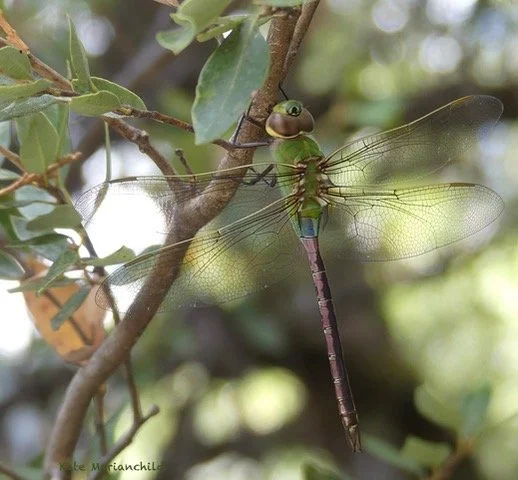
*A few lightweight containers for “treasures” –– acorns, feathers, galls, leaves, already-dead butterflies or dragonflies, etc. Pill bottles and Altoid boxes work well for small items, but something longer would be good for long fragile items like shed lizard skins or feathers. Maybe a shallow tupperware or cottage cheese container.
*Pencil or pen to write or draw with, and lightweight notebook for optional notes or sketches.
*Cloth or a folding chair to sit on when you get tired of standing and for “sit-spot” time... This will reduce the chance of ticks getting on your while you’re sitting on the ground. A sarong or a bedsheet cut to size works well (try a thrift store). If you might want to lie down some of the time, make sure it’s big enough for that.
*Camera (optional)
*Folding knife for opening things up (optional).
*Any field guides you like to refer to while on the trail or in the evening.
Additional Supply Fee Payable to Instructor (if applicable): Please bring a check or cash if you don’t have close-focusing binoculars, a copy of my book, or my oak identification guide. You can read about them on my website, katemarianchild.com. They are not absolutely required, but most people realize they want them a few days into a class.
Where else have you taught this workshop or a similar course? I have been teaching class and leading nature interpretation walks and giving talks across the state since 2012. I have been teaching multi-day nature classes at Emandal since 2019 and at SF State’s Sierra Nevada Field Campus since 2024.